Measured evaluation
Connect symptoms to observations and appropriate system measurements.

Learn what this HVAC service covers, which warning signs deserve attention, how professional evaluation works and what to review before approving a written scope.
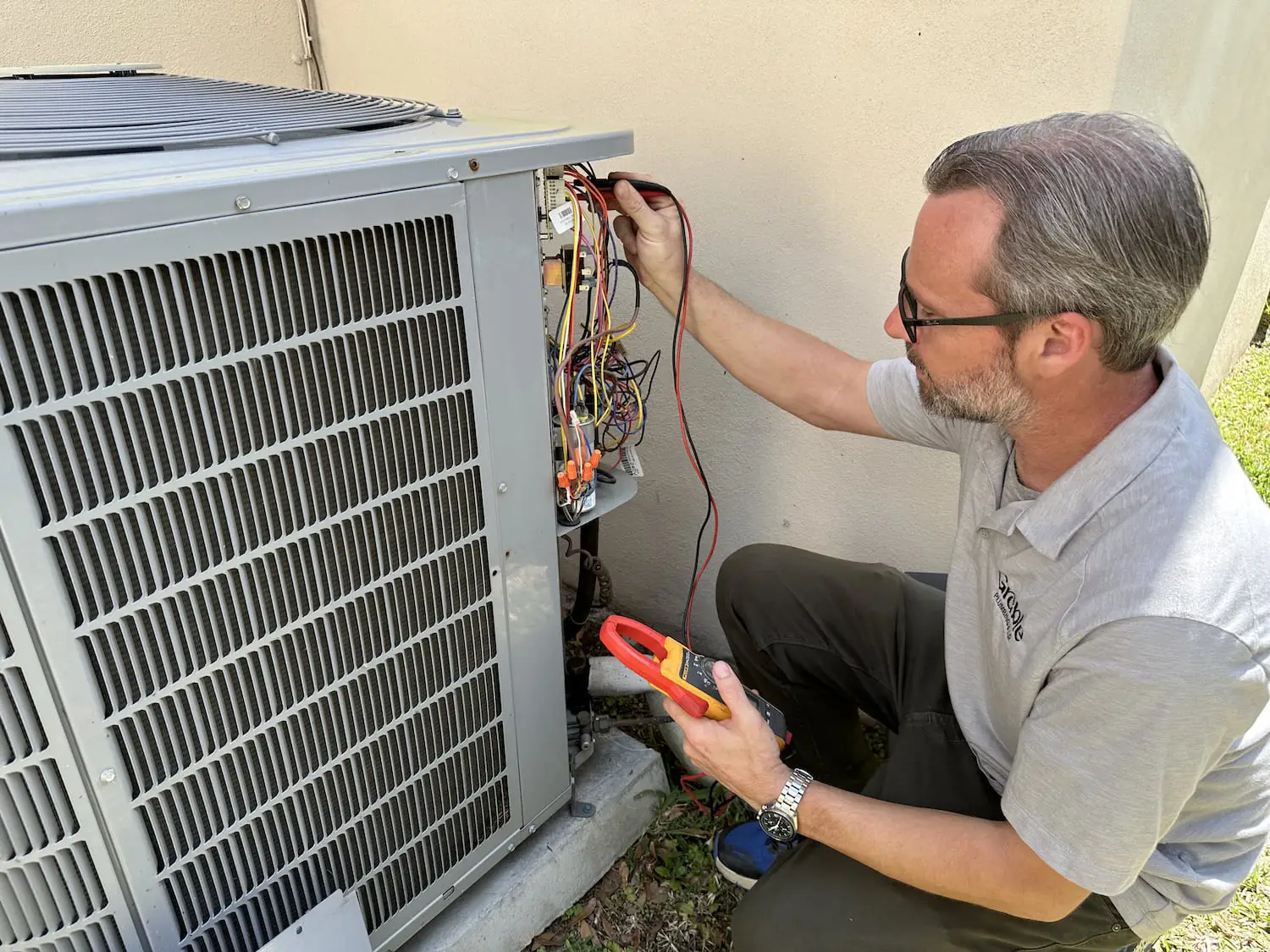
Connect symptoms to observations and appropriate system measurements.
Compare included work, exclusions, testing and warranty responsibility.
Judge results against the original concern and equipment requirements.
AC Tune-Ups & Seasonal Maintenance can influence safety, comfort, air movement, humidity, reliability and household operating requirements. The relevant system components may include coils, filters, condensate system, electrical connections, capacitors, contactor, blower and thermostat.
Homeowners often research this topic after noticing gradual efficiency loss, longer cycles, weak airflow, drain odors, startup noise or inconsistent temperatures. Similar symptoms can come from different conditions, so online information should not replace diagnosis at the property.
Professional evaluation and corrective work may involve operating-temperature checks, electrical inspection, coil review, drain service, airflow assessment and control testing. Ask the responding company to explain which finding supports the recommendation and how the completed work will be tested.
A precise description helps the service conversation begin with useful evidence.
Record when the concern occurs, thermostat settings, cycle length, affected rooms and whether outdoor conditions change the symptom.
Document new sound, vibration or odor without opening equipment. Smoke, suspected gas, sparking and burning electrical odor require immediate caution.
Note drainage, ice, staining, weak airflow and room-to-room differences. Avoid contact with wet electrical equipment.
Gather model information, maintenance dates, prior invoices and earlier repairs only where records and labels are safely accessible.
A useful evaluation connects the reported symptom to measurements and observations taken under meaningful operating conditions. It should consider equipment, controls, distribution, connected components and building conditions rather than isolating one part without context.
Ask which values were measured, what manufacturer requirements apply, what is essential now and what can be monitored. The explanation should distinguish the confirmed fault from airflow, controls, maintenance or installation issues that can create a similar complaint.
Share the equipment type, symptom, timing, property location and any immediate safety concern.
The responding company inspects and measures the conditions relevant to the complaint.
Review findings, alternatives, total scope, exclusions, timing, testing and warranty responsibility.
Final readings and operation should be documented against the original concern.
Consider safety, the verified condition, equipment age and condition, repair history, parts support, compatibility, comfort, efficiency and installation requirements. Avoid deciding solely from equipment age or a headline price.
Replacement planning should identify capacity, matched components, controls, electrical or fuel work, distribution corrections, drainage, permits where applicable, removal and startup testing. Repair planning should define the failed component, included labor and how operation will be confirmed.
Cost can change with equipment, parts, labor, access, compatibility, code-related corrections, controls, ductwork, electrical requirements, permits, testing and warranty coverage. Compare proposals only when they describe equivalent work.
Ask how unexpected conditions will be handled and approved. A written scope should clearly separate required work from optional improvements and identify any items supplied or completed by another trade.
Ongoing care may include scheduled preseason visits, timely filters, outdoor clearance, drain monitoring and performance-record comparison. The appropriate schedule depends on the equipment, use, environment, manufacturer instructions and findings documented during service.
Keep model and serial information, invoices, configuration settings, startup readings, permits or inspection records where applicable and warranty documents. Those records support more accurate future troubleshooting.
Actual performance depends on selection, installation, controls, airflow, distribution, building conditions, weather and household use. A rating alone cannot promise a particular utility cost or correct an unresolved design problem.
Ask how the proposed work is expected to affect the original comfort complaint and which measurements will demonstrate improvement after the system is operating.
Call when equipment stops working, performance changes, new sound or odor appears, moisture develops, energy use changes unexpectedly or a safety control repeatedly interrupts operation. Use emergency help for fire, suspected gas or carbon monoxide, sparking or immediate danger.
Look for identified equipment, findings, included labor and materials, exclusions, total price, timing, permits where applicable, cleanup, startup testing and warranty responsibility.
Compare the confirmed fault, safety, condition, repair history, parts support, compatibility, comfort, installation needs and warranty using equivalent written scopes.
No. FAST HVAC provides information and telephone referral assistance. Any responding company remains responsible for evaluation, pricing, permits, workmanship and warranties.