
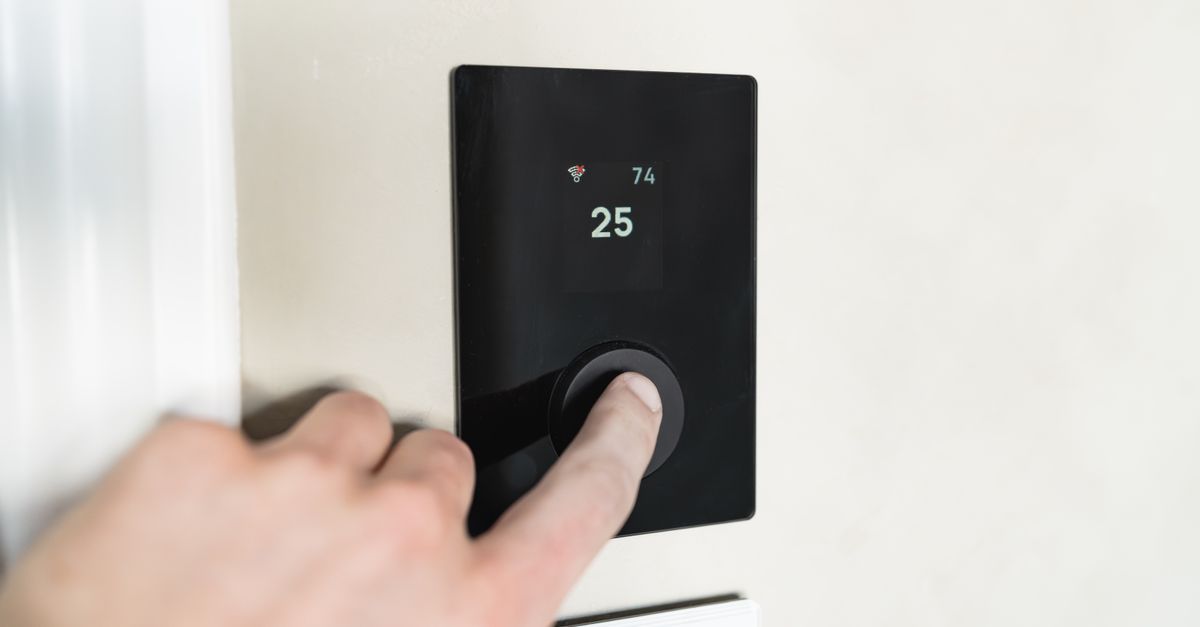
Identify the HVAC system
Determine whether the property uses conventional heating and cooling, a heat pump, auxiliary heat, multistage equipment, boilers or communicating controls. Compatibility depends on the actual equipment and wiring, not only the thermostat brand or connector shape.
For this part of smart thermostat guide planning, separate what can be observed safely from work requiring tools, measurements or access to energized, pressurized, moving or combustion equipment. Document conditions before changes and ask how the completed work will be verified.
Review wiring safely
Thermostat circuits can be damaged by incorrect connections or shorted conductors. Photograph existing labels before changes and follow equipment-specific requirements. If wiring is unlabeled, damaged or connected to proprietary controls, professional installation is the safer approach.
For this part of smart thermostat guide planning, separate what can be observed safely from work requiring tools, measurements or access to energized, pressurized, moving or combustion equipment. Document conditions before changes and ask how the completed work will be verified.
Understand common-wire needs
Many connected thermostats require continuous power through a common wire or an approved adapter. Workarounds that cause equipment cycling or charging problems are not a reliable solution. Confirm the control board and accessory requirements before purchasing.
For this part of smart thermostat guide planning, separate what can be observed safely from work requiring tools, measurements or access to energized, pressurized, moving or combustion equipment. Document conditions before changes and ask how the completed work will be verified.
Choose an appropriate location
The thermostat should sense representative indoor conditions. Direct sunlight, exterior walls, drafts, supply air, kitchens and nearby electronics can distort readings. Moving a thermostat may require wiring and wall repair as well as control setup.
For this part of smart thermostat guide planning, separate what can be observed safely from work requiring tools, measurements or access to energized, pressurized, moving or combustion equipment. Document conditions before changes and ask how the completed work will be verified.
Program realistic schedules
Use temperature changes that match occupancy and equipment type. Heat pumps and radiant systems may respond differently from furnaces. Large setbacks can trigger longer recovery or auxiliary heat, so programming should consider how the installed system operates.
For this part of smart thermostat guide planning, separate what can be observed safely from work requiring tools, measurements or access to energized, pressurized, moving or combustion equipment. Document conditions before changes and ask how the completed work will be verified.
Configure equipment settings
Installer settings may control stages, reversing-valve logic, fan behavior, cycle rates, balance points and accessories. Incorrect configuration can reduce comfort or create unnecessary operation even when the thermostat appears to work.
For this part of smart thermostat guide planning, separate what can be observed safely from work requiring tools, measurements or access to energized, pressurized, moving or combustion equipment. Document conditions before changes and ask how the completed work will be verified.
Protect accounts and records
Use a strong unique password, enable available account security and understand what usage data the device stores. Save model information, wiring photos and final configuration details so future service does not begin from guesswork.
For this part of smart thermostat guide planning, separate what can be observed safely from work requiring tools, measurements or access to energized, pressurized, moving or combustion equipment. Document conditions before changes and ask how the completed work will be verified.
Important safety reminder
Smoke, fire, suspected gas or carbon monoxide, sparking, burning electrical odor or dangerous indoor temperatures require immediate caution. Leave an unsafe area and use appropriate emergency or utility services. Online information is not a property-specific diagnosis.
Discuss your HVAC question
Call FAST HVAC and describe the equipment, concern and property location. FAST HVAC provides information and telephone referral assistance; the company performing work remains responsible for evaluation, pricing, permits, workmanship and warranties.
☎ Call (833) 363-1469