
Begin with operating history
Review recent service records, filter changes, thermostat behavior and utility use. Note rooms that became less comfortable, cycles that grew longer and any new noise, odor or moisture. A clear timeline gives a service professional a better starting point than a general statement that the system feels different.
For this part of seasonal HVAC maintenance checklist planning, separate what can be observed safely from work requiring tools, measurements or access to energized, pressurized, moving or combustion equipment. Document conditions before changes and ask how the completed work will be verified.
Replace or inspect the filter
Use the filter type and size recommended for the equipment and distribution system. A filter that is heavily loaded can restrict airflow, but a filter that is too restrictive can also create problems. Record the installation date and make sure the airflow arrow points in the correct direction.
For this part of seasonal HVAC maintenance checklist planning, separate what can be observed safely from work requiring tools, measurements or access to energized, pressurized, moving or combustion equipment. Document conditions before changes and ask how the completed work will be verified.
Check registers and return grilles
Keep supply registers and return grilles open and unobstructed by rugs, furniture or stored items. Look for unusual dust patterns, damaged grilles and rooms with weak airflow. Do not reach into ductwork or remove panels where sharp metal, wiring or moving parts may be present.
For this part of seasonal HVAC maintenance checklist planning, separate what can be observed safely from work requiring tools, measurements or access to energized, pressurized, moving or combustion equipment. Document conditions before changes and ask how the completed work will be verified.
Inspect the outdoor area
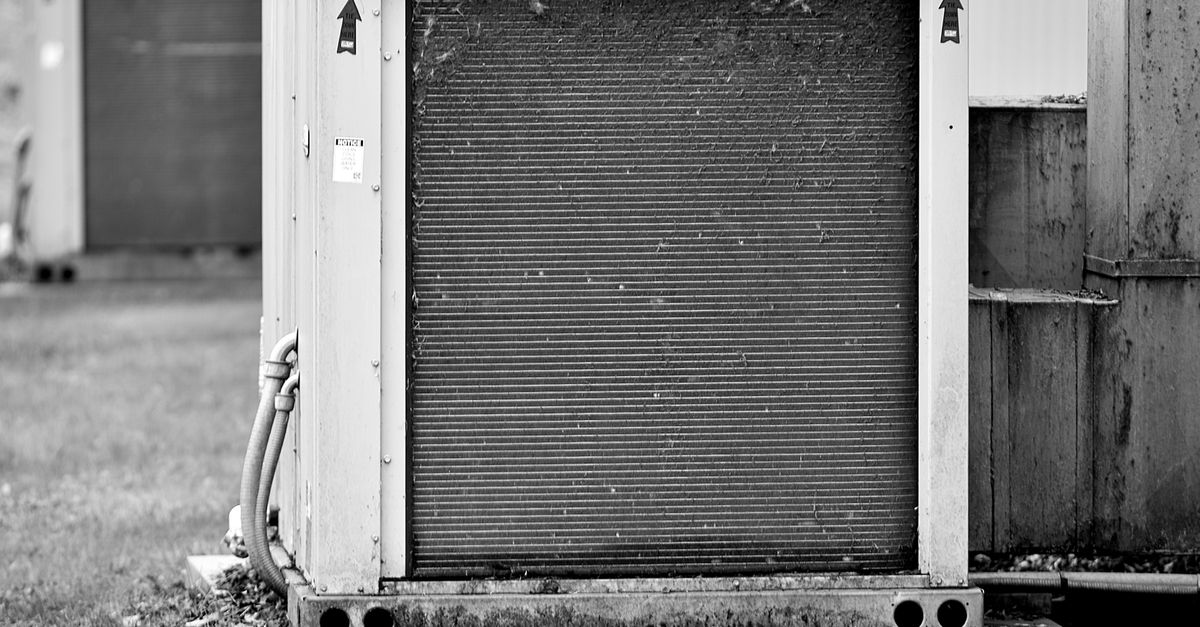
Remove loose leaves and ordinary debris from the area around outdoor equipment while keeping plants and stored items clear. Do not bend coil fins, spray electrical compartments or open the cabinet. Report ice, oil-like residue, damaged wiring, strong vibration or unusual sound.
For this part of seasonal HVAC maintenance checklist planning, separate what can be observed safely from work requiring tools, measurements or access to energized, pressurized, moving or combustion equipment. Document conditions before changes and ask how the completed work will be verified.
Test thermostat operation
Confirm the displayed temperature is reasonable and that programmed schedules still match household routines. Check batteries where applicable. If equipment repeatedly starts and stops, runs continuously or fails to respond, document the sequence instead of repeatedly changing settings.
For this part of seasonal HVAC maintenance checklist planning, separate what can be observed safely from work requiring tools, measurements or access to energized, pressurized, moving or combustion equipment. Document conditions before changes and ask how the completed work will be verified.
Observe drainage and moisture
Cooling equipment and high-efficiency heating systems may produce condensate. Watch for staining, standing water, damaged pans or recurring moisture near equipment. Because water and electricity can create serious hazards, avoid wet areas around energized components.
For this part of seasonal HVAC maintenance checklist planning, separate what can be observed safely from work requiring tools, measurements or access to energized, pressurized, moving or combustion equipment. Document conditions before changes and ask how the completed work will be verified.
Schedule professional evaluation when needed
Maintenance should verify the operating sequence and measurements appropriate for the equipment. Ask what was inspected, what values were recorded, which concerns are urgent and which can be monitored. Keep the completed record with model information and prior invoices.
For this part of seasonal HVAC maintenance checklist planning, separate what can be observed safely from work requiring tools, measurements or access to energized, pressurized, moving or combustion equipment. Document conditions before changes and ask how the completed work will be verified.
Important safety reminder
Smoke, fire, suspected gas or carbon monoxide, sparking, burning electrical odor or dangerous indoor temperatures require immediate caution. Leave an unsafe area and use appropriate emergency or utility services. Online information is not a property-specific diagnosis.
Discuss your HVAC question
Call FAST HVAC and describe the equipment, concern and property location. FAST HVAC provides information and telephone referral assistance; the company performing work remains responsible for evaluation, pricing, permits, workmanship and warranties.
☎ Call (833) 363-1469