Changes in operation
Record when the concern began, cycle length, thermostat behavior, affected rooms, outdoor conditions and whether performance changes at particular times.

Understand common warning signs, professional evaluation, planning factors and long-term care for heat pump installation, repair & replacement, then call to ask about referral availability in Aptos.
Educational HVAC information and telephone referral assistance.
Homes in California can experience hot summers, cold periods and changing shoulder-season weather. Seasonal conditions influence system runtime and comfort, but the correct service decision depends on measurements, equipment configuration, installation, distribution and the building itself.
This topic commonly involves outdoor coil, indoor coil, compressor, reversing valve, defrost controls, air handler and refrigerant circuit. Concerns that may lead a homeowner to research this service include poor heating, poor cooling, outdoor-unit icing, auxiliary heat overuse, long cycles or mode-change problems. Those symptoms are not a diagnosis because controls, airflow, power, maintenance and connected equipment can produce similar behavior.
A useful evaluation may involve refrigerant performance testing, airflow measurement, defrost verification, electrical testing and load evaluation. Ask which findings connect to the reported problem, what work is necessary, what alternatives were considered and how results will be documented after completion.

Specific observations make an HVAC conversation clearer and reduce reliance on assumptions.
Record when the concern began, cycle length, thermostat behavior, affected rooms, outdoor conditions and whether performance changes at particular times.
Note new noise, vibration, unusual odor, drainage or visible moisture without opening equipment. Smoke, gas odor, sparking and burning electrical odor require immediate caution.
Gather safely accessible model information, prior invoices, maintenance dates and earlier repairs. History can reveal recurring faults or compatibility questions.
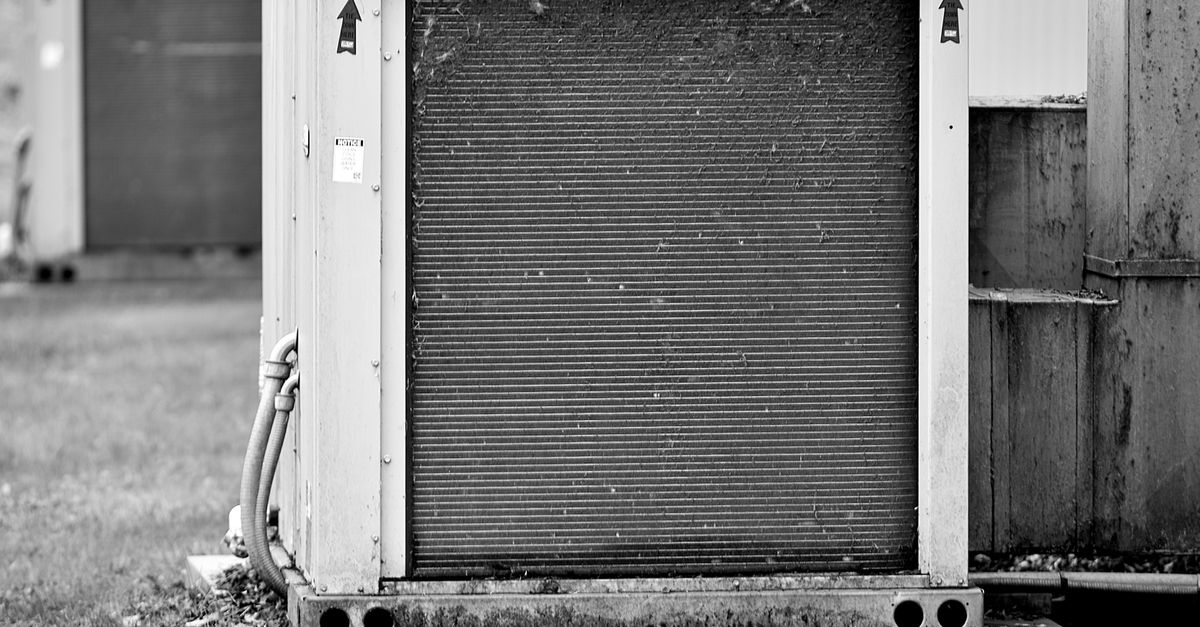
The written scope should identify the equipment, verified condition, included labor and materials, exclusions, total price, timing, access needs, permit responsibility where applicable, cleanup, startup testing and warranty terms.
Share the equipment type, symptom, timing and property location. Ask about current referral availability.
The responding company should inspect and measure the conditions relevant to the reported problem.
Compare findings, scope, exclusions, price, expected result, timing and warranty responsibility.
Final checks should relate directly to the original concern and applicable manufacturer requirements.
For heat pump installation, repair & replacement, decisions may depend on safety, the confirmed fault, equipment age and condition, repair history, parts support, compatibility, comfort, efficiency and installation requirements. Price should be compared using equivalent written scopes.
Energy performance depends on weather, equipment selection, installation, controls, ductwork, building conditions and household use. Avoid relying on a promised utility saving or assuming that a higher rating automatically resolves an existing airflow or comfort problem.
Ongoing care may include coil care, filter replacement, condensate cleaning, outdoor clearance and seasonal performance checks. Follow equipment-specific guidance and adapt intervals to use, environment and findings documented at the property.
Keep model information, invoices, permit or inspection records where applicable, startup readings, control settings and warranty documentation. These records give future service professionals a more accurate starting point.
Describe the equipment, symptom, timing, affected areas, thermostat behavior, sounds, odors, moisture and property location. Do not dismantle equipment to collect information.
Cost can depend on the verified condition, equipment, parts, labor, access, compatibility, controls, duct or electrical corrections, permits where applicable, testing and warranty scope. Request a written total for the defined work.
Compare whether each proposal addresses the same verified condition and includes equivalent equipment, labor, accessories, corrections, testing, exclusions and warranty responsibility.
No. FAST HVAC is an independent information and telephone referral resource. Call to ask about referral availability. The responding company remains responsible for all property-specific work.
This map shows the approximate city service area and does not represent a physical business-office location.
For this service, relevant components include outdoor coil, indoor coil, compressor, reversing valve, defrost controls, air handler and refrigerant circuit. In California, hot summers, cold periods and changing shoulder-season weather can affect runtime, capacity, moisture, controls, equipment exposure and maintenance priorities. A recommendation must connect these regional considerations to measurements at the specific property.
Poor heating, poor cooling, outdoor-unit icing, auxiliary heat overuse, long cycles or mode-change problems. Similar symptoms can have different causes, so observations are not a remote diagnosis.
Refrigerant performance testing, airflow measurement, defrost verification, electrical testing and load evaluation. Ask which finding supports each proposed correction and how the result will be tested.
Coil care, filter replacement, condensate cleaning, outdoor clearance and seasonal performance checks. Adapt intervals to manufacturer guidance, system use and documented property conditions.
Check current eligibility through the serving utility, the state energy office and the ENERGY STAR rebate finder. Programs can change.
This state-level profile supplies regional context shared by many neighboring communities. Property measurements, the serving utility and the authority having jurisdiction still control the actual project.
3C coastal marine; 3B/4B inland valleys; 5B/6B in mountain areas. Climate zones can change within California; use the property jurisdiction for code decisions.
Coastal temperatures are comparatively mild, while inland valleys experience much larger summer and winter swings.
Some coastal housing historically relied on marine cooling and lacks central ducts; inland housing generally experiences greater mechanical-cooling demand.
Replacement planning should account for California Title 24 requirements, location-specific summer demand, smoke filtration and whether ducts pass through hot attics or constrained older buildings.
These statistics describe Census ZIP Code Tabulation Area 95001, the service ZIP supplied for this market. A ZCTA is a statistical approximation of a ZIP delivery area and may not match city boundaries. Figures are 2024 American Community Survey five-year estimates, not claims about every property in Aptos.
The ACS estimates 0 housing units in ZCTA 95001. The largest construction-period group is not available at approximately 0% of housing units. For heat pump installation, repair & replacement, age is context—not a diagnosis—and renovations can substantially change a building.
The leading reported heating fuel is not available at about 0%. Utility gas represents 0% and electricity 0% of occupied units. Fuel mix helps frame equipment questions but does not identify the system at an address.
The 2025 Census Gazetteer internal point for ZCTA 95001 is not available. Climate and utility information should be verified for the property because ZIP areas can cross municipal, county and service-territory boundaries.
ENERGY STAR Rebate Finder
DOE state energy offices
USA.gov local government directory
Confirm utility service territory, program eligibility and permits directly before authorizing work.
Sources and limits: U.S. Census Bureau 2024 ACS five-year tables B25034 and B25040; 2025 Census Gazetteer. ACS estimates have sampling uncertainty. Utility companies and permit authorities are not inferred from ZIP code.